
Before you were a person with bills and a retirement account, you were the sovereign ruler of a small room with questionable wallpaper. And it turns out that room was a blueprint. The way you arranged it, decorated it, and lived in it quietly predicted the adult you were about to become.
Psychologists love this kind of thing, because our childhood spaces reveal our preferences before the world taught us to edit them. So let’s take a trip down memory lane — pull out the nostalgia — and decode what that little bedroom was really saying.
The Poster-Covered Walls
If every square inch of your wall was plastered with band posters, movie stars, or athletes, you were a heart-on-your-sleeve person. You broadcast your identity loudly because you were still figuring out who you were — and trying it on in public. As an adult, you’re probably the friend with strong opinions, a playlist for every mood, and a social media presence that is unapologetically you.
The Museum of Collections
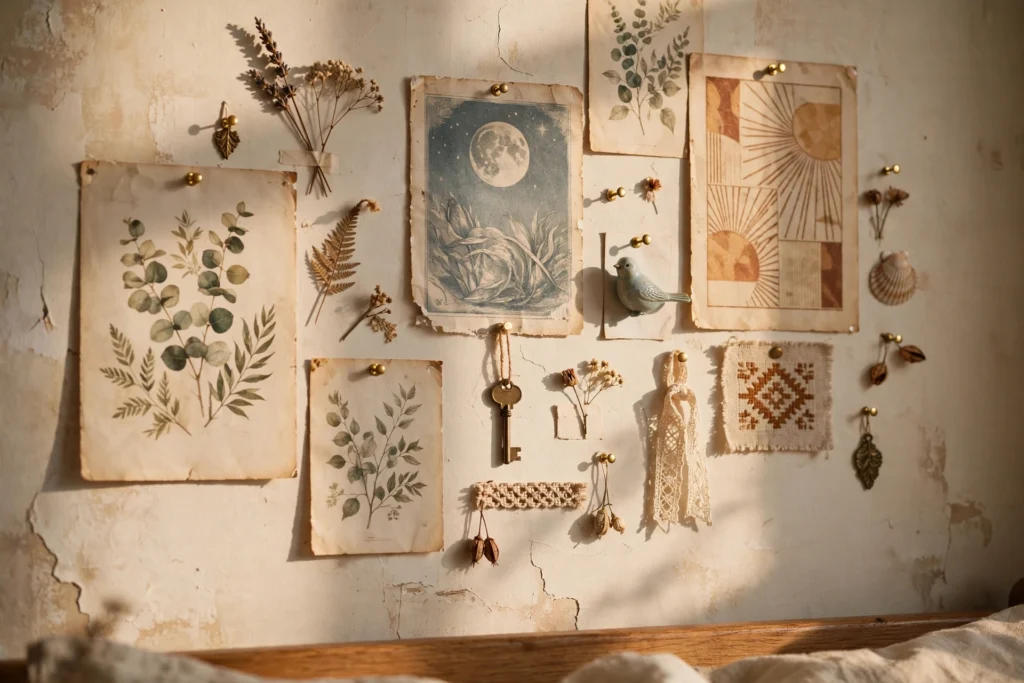
Stickers, rocks, bottle caps, Beanie Babies, comic books alphabetized on a shelf — if your room was a curated archive of tiny treasures, you grew into a keeper of things and memories. You’re the adult who saves concert tickets, keeps every birthday card, and can find a photo from 2009 in under a minute. Your emotional maturity shows in how you honor the past: you don’t cling to it, but you refuse to let it disappear.
The Creative Chaos
Clothes on the floor, homework under the bed, a desk you could never see the surface of — and yet you always knew exactly where everything was. If this was you, congratulations: you became the adult who thrives in “organized mess.” Your creativity runs hot, deadlines somehow get met, and minimalists find you deeply stressful. Your brain files by importance, not by category — and it works.
The Meticulous Command Center
Books sorted by height. Toys arranged, not scattered. Bed made before school — voluntarily. If your childhood room looked like a showroom, you grew into the planner, the list-maker, the one who color-codes the shared calendar. Your inner child wasn’t anxious; they were building the control panel they’d use for life.
The Blank Canvas
Some of us had nearly bare walls — not because we lacked imagination, but because our inner world was so loud we didn’t need decorations. If your room was simple and uncluttered, you’re probably the adult who’s introspective, hard to read at first, and fiercely loyal once someone earns their way in. Your personality lives inside, not on display.
The Fort-Builder’s Realm
Blanket forts, pillow walls, furniture rearranged into castles every Saturday. If your room was never quite in its “official” layout, you were practicing world-building — and you never really stopped. Adult fort-builders become the storytellers, the party planners, the ones who turn a Tuesday dinner into an event. Your inner child runs the show, and honestly, we’re all better for it.
The Secret Keeper’s Room
Diary with a lock. Notes hidden under the mattress. A “do not enter” sign that meant it. If privacy was your childhood currency, you became the adult who sets clear boundaries — and isn’t afraid to enforce them. You understood early that not everything is for sharing, and that wisdom turned into one of the healthiest adult traits there is.
The Shared Room Survivor
If you split a room with a sibling, you learned negotiation before you could spell it. Your adult superpower is compromise: you’re the one who keeps the peace in group chats, shares the armrest on planes, and somehow always knows whose turn it is. Small rooms make big diplomats.
Why This Little Trip Matters
Revisiting that room isn’t just fun nostalgia — it’s a reminder that your core self showed up early and stayed. The posters faded, the collections got boxed up, the forts came down. But the person who chose all of it? Still here, running the whole operation.
Practical Takeaways
- Honor your origin story: Your childhood preferences hint at your real strengths — the curator’s memory, the fort-builder’s creativity, the diplomat’s tact.
- Design for who you are: Let your adult space reflect your childhood style — display your collections, keep your cozy corner, build your forts (adult ones have better pillows).
- Borrow their boundaries: If you were a secret-keeper, your kid-instincts about privacy were right — clear boundaries are a life skill, not a flaw.
- Reconnect through nostalgia: Share your old bedroom stories with your kids or friends — it’s one of the fastest ways to bond.
- Forgive the mess (or the order): Whatever your room looked like, it was building the adult you’d become. It did its job perfectly.