
The generation that grew up with smartphones glued to their palms is doing something nobody expected: they’re buying stationery. Fountain pens are selling out. Wax seals are back. “Pen pal” has become a genuine hobby again, and letter-writing apps are booming.
It sounds like a hipster joke, but it’s real — and it might be the healthiest trend to hit social media in a decade.
Why Letters, and Why Now?
Gen Z is the most connected generation in history, and also the loneliest one on record. They’ve spent their entire social lives in group chats, comment sections, and disappearing stories — and they’ve started to notice how disposable it all feels. A DM says “I thought of you for three seconds.” A handwritten letter says “I sat down, cleared my afternoon, and thought about you for an hour.”
There’s also the permanence problem. Your entire digital life can vanish with a dead battery, a deleted account, or a platform shutting down. (Remember MySpace? Exactly.) A letter in a shoebox survives. Young people who watched their childhoods evaporate from dead phones and lost logins are craving something that stays.
And let’s be honest: a notification never made anyone’s heart race the way a thick envelope with their name written by hand does.
The Pen Pal Renaissance
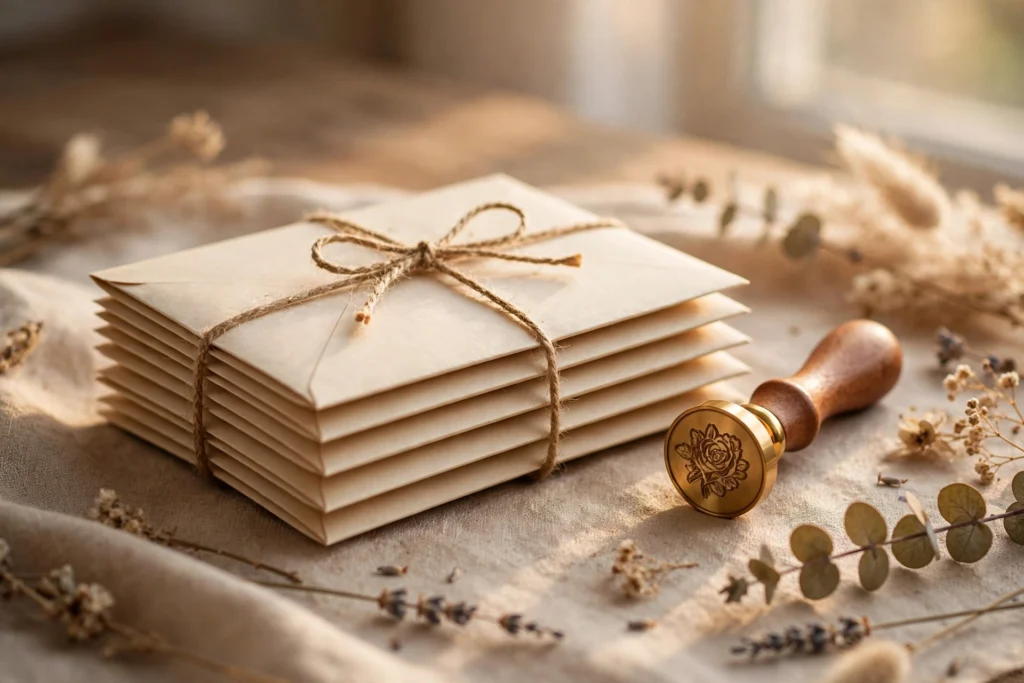
This isn’t just nostalgia — it’s infrastructure. Online pen pal communities are thriving, with thousands of young people matching with strangers across the globe. There are pen pal subscription boxes, letter-writing clubs on college campuses, and “slow mail” challenges where participants swear off instant messaging for a week of envelopes.
The psychology makes sense. Writing a letter forces you to be thoughtful in a way texting never demands. You can’t edit after you seal the envelope. You can’t add a meme when you run out of things to say. You have to actually think — about your week, your feelings, the person reading it. For a generation raised on autocorrect and instant reactions, that deliberateness feels radical. Almost rebellious.
What Handwriting Does to Your Brain
Science is firmly on Team Letter. Studies on handwriting show that forming letters by hand activates brain regions linked to memory, creativity, and emotional processing far more than typing does. People remember what they write by hand better. They process emotions more deeply. The physical act of writing slows your thinking down just enough to actually finish a thought — something our notification-splintered attention desperately needs.
There’s also evidence that receiving personal mail reduces feelings of loneliness and increases perceived social support. A letter is proof that someone, somewhere, spent time on you. In a world of mass-produced everything, that kind of effort hits different.
The Aesthetic Is Only Half the Story
Sure, the washi tape and pressed flowers and vintage stamps look gorgeous on TikTok. But talk to actual young letter writers and the aesthetic is the least interesting part. What they describe is relief — relief from performing, from read receipts, from the pressure to reply in six minutes or seem rude. A letter has no blue ticks. No “seen.” No typing indicator. It arrives when it arrives, and that’s the whole point.
One college student put it perfectly: “Texting feels like shouting across a crowded room. A letter feels like someone pulled up a chair.”
How to Join the Trend (It’s Easier Than You Think)
You don’t need a fountain pen or fancy paper. Grab any notebook page, any pen, and write to someone you love. Tell them about something small — the weird dream you had, the song stuck in your head, the stranger who made you laugh on the bus. Letters don’t need to be profound; they need to be real.
Write to your best friend who moved away. Write to your grandmother — she’ll cry happy tears, guaranteed. Write to your future self and seal it for next year. Or find a pen pal online and make a friend in a country you’ve never visited.
Then comes the best part: walking to a mailbox and letting go. There’s a tiny thrill in releasing your words into the world with no tracking number, no delivery confirmation — just trust that they’ll arrive, and that someone’s day is about to get better.
Practical Takeaways
- Start with one letter. Pick one person, one page, one pen. It doesn’t need to be perfect — messy handwriting is part of the charm.
- Write about the small stuff. Mundane details (what you ate, what the weather did) become fascinating in letter form because they carry you.
- Ditch the pressure of instant replies. Letters remove read receipts and typing indicators — write, send, and let it arrive on its own time.
- Keep the letters you receive. A shoebox of letters is the most valuable thing you’ll own in twenty years.
- Try a pen pal match. One letter exchange with a stranger can turn into a friendship that spans continents.