
That favorite T-shirt that went from perfect to pitiful in six months? The jeans that lost their shape by wash three? It’s probably not the clothes — it’s the laundry routine. Most of us learned to do laundry the way our parents did it, and some of those habits quietly wreck modern fabrics. Here are the seven biggest culprits, and the simple fixes that make your wardrobe last years longer.
1. Stuffing the Washer Drum Full
That overflowing drum isn’t saving time — it’s stealing your clean. When clothes are packed tight, water and detergent can’t circulate, so grime just relocates instead of rinsing away. Friction from overcrowding also roughs up fibers, causing pilling and thinning. Fill the drum no more than three-quarters full, and leave a hand’s width of space at the top. Your clothes come out cleaner and live longer — and you stop “rewashing” loads that never really got washed.
2. Using Way Too Much Detergent
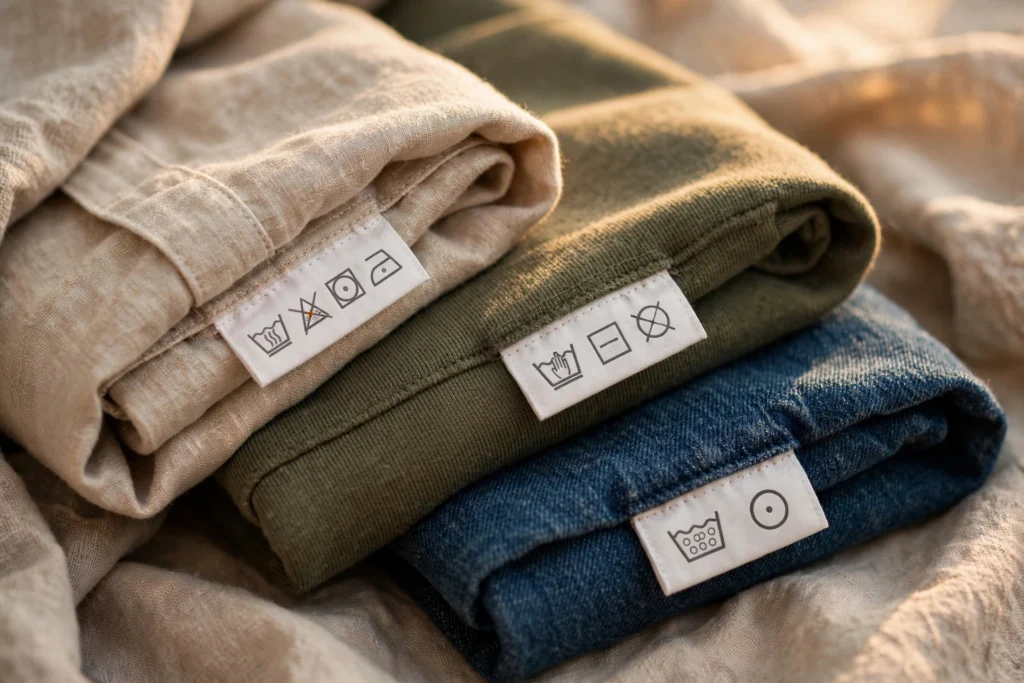
More soap does not mean more clean. Excess detergent doesn’t rinse out fully; it coats fibers in a waxy film that traps odor, dulls colors, and makes fabrics stiff and scratchy. That mystery musty smell in your “clean” towels? Detergent buildup. Check your detergent cap — most people use double what’s needed. For a normal load, the fill line is lower than you think. When in doubt, use less: your machine will thank you too, since buildup gunks up the works.
3. Washing Everything in Hot Water
Hot water is the silent killer of elastic, spandex, and printed graphics. It breaks down stretch fibers, sets stains permanently (hello, protein stains like sweat), and fades colors fast. Modern detergents are engineered to work in cold water, so unless you’re washing truly grubby work clothes or sanitizing bedding, cold or warm is plenty. Switching to cold preserves color, shape, and elasticity — and shaves money off your energy bill as a bonus.
4. Leaving Wet Clothes Sitting in the Washer
We’ve all done it: the load finishes, we get distracted, and three hours later we’re greeted by that sour, mildewy smell. Beyond the odor, damp fabric left bunched up is a mildew playground, and the wrinkles it bakes in are stubborn. Set a timer on your phone when you start a load. If you can’t get to it within an hour, at least run a quick spin to fluff things up. Your nose — and your iron — will thank you.
5. Skipping the Turn-Inside-Out Step
Those two seconds of turning shirts, jeans, and printed tees inside out before they go in? They matter more than you think. The inside-out position shields prints, embroidery, and outer fibers from direct abrasion against the drum and other garments. Jeans keep their dark wash, graphic tees keep their graphics, and delicate knits stop pilling on the visible side. It’s the easiest habit on this list and one of the most protective.
6. Tossing Delicates and Zippers in Together, Unprotected
An open zipper is basically a tiny saw, and it’s shredding your T-shirts every cycle. Zip zippers, hook bra clasps, and tie drawstrings before washing. For anything delicate — lingerie, lace, thin knits — use a mesh laundry bag. It costs a couple of dollars and prevents snags, stretched straps, and the dreaded mystery hole. Think of it as a seatbelt for your clothes.
7. Baking Clothes Dry on High Heat
The dryer is where clothes go to shrink, fade, and die young. High heat weakens fibers, kills elasticity, and — fun fact — that lint in the trap is literally your clothes disintegrating. For most garments, medium or low heat is plenty; better yet, pull things out while slightly damp and let them finish air-drying. It takes a little planning, but your favorite pieces keep their fit, their color, and their dignity for years instead of months.
Practical Takeaways
- Fill the washer only three-quarters full so water and detergent can actually circulate.
- Measure detergent properly — most people use twice as much as needed, and the residue damages fabrics.
- Wash in cold or warm water; reserve hot water for bedding and truly filthy items.
- Move clothes to the dryer (or line) promptly — within an hour — to prevent mildew and set-in wrinkles.
- Turn printed tees, jeans, and knits inside out before washing to protect the visible side.
- Zip zippers, hook clasps, tie drawstrings, and use mesh bags for delicates.
- Dry on medium or low heat, and pull clothes out slightly damp to finish air-drying.